
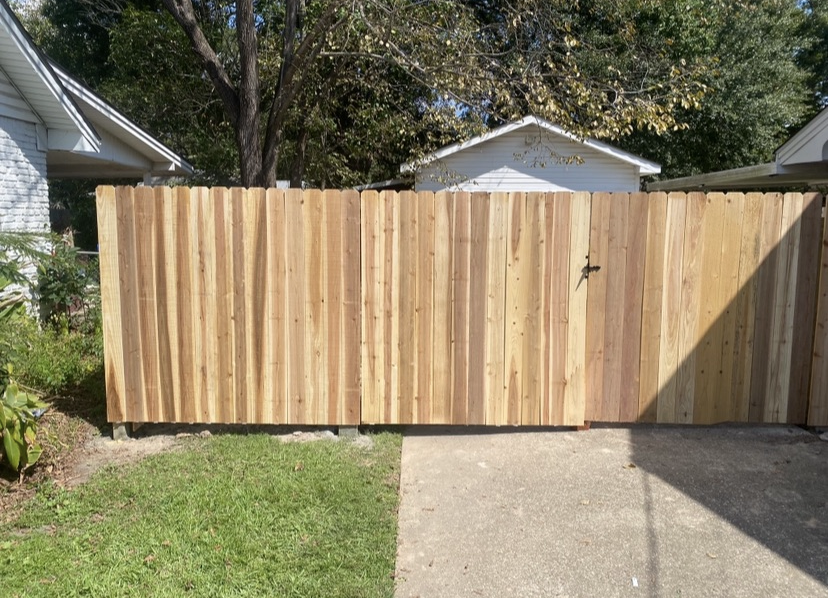
Fences That Hold Up to East Texas Weather
Residential Fence Installation in Lufkin for properties needing durable perimeter solutions built for regional heat and storm exposure
Piney Woods humidity accelerates wood degradation, and freeze-thaw cycles challenge shallow post installations across East Texas. Duke Legacy Construction LLC installs residential fences designed specifically for Lufkin's climate demands, using rot-resistant materials and proper drainage methods that account for seasonal ground movement. The posts are set deep enough and with sufficient concrete to withstand storm winds common to the region.
The installation process includes material selection based on your property's exposure and soil conditions, full post-setting with concrete, and finish work that accounts for both function and appearance. Duke Legacy handles permit coordination directly with local authorities, eliminating delays that often come from incomplete or incorrect documentation.
Schedule a property evaluation to review fence line requirements and material options suited to your site conditions.
What Proper Post-Setting Prevents Long-Term
Post depth and concrete setting determine whether a fence remains vertical through storm seasons or begins leaning within two years. Duke Legacy sets posts to depths that account for East Texas soil composition and regional frost line requirements, using concrete mixes that cure properly in high humidity without premature cracking.
Once installation is complete, you'll notice fence sections remain plumb even after heavy rain softens surrounding soil, and gates operate smoothly without sagging or binding against the frame. The fence line holds its original position rather than shifting incrementally with each storm cycle, and corner posts show no signs of rotation or lean.
The service includes coordination with utility locates before any digging begins, ensuring underground lines are marked and avoided throughout the installation process. Material delivery is scheduled to avoid prolonged ground contact that can introduce moisture into wood components before they're installed and sealed..
Questions Before Starting Your Fence Project
Residential fence installation in Lufkin involves considerations specific to Piney Woods soil and climate, from material selection to post-setting methods that account for seasonal ground movement.
What materials resist rot best in East Texas humidity?
Pressure-treated pine and cedar are commonly specified for Lufkin installations due to their natural resistance to moisture-driven decay, but proper sealing and drainage around post bases remain critical regardless of wood species selected.
How deep are fence posts set in this region?
Post depth must extend below the frost line and into stable soil layers, typically requiring depths that account for both seasonal freeze-thaw movement and the clay content common in East Texas substrates.
What happens if permits aren't handled correctly?
Incomplete or incorrect permit applications delay project start dates and can result in work stoppages if inspections reveal non-compliant installations, which is why Duke Legacy manages permit coordination as part of the installation process.
How long does a properly installed fence last in Lufkin?
Lifespan depends on material choice and maintenance, but correct post-setting and rot-resistant material selection typically extend functional life well beyond installations that skip moisture barriers or use insufficient concrete at post bases.
When is the best time to schedule fence installation?
Scheduling three months ahead ensures material availability and avoids wet season complications that make post-setting and concrete curing more difficult in East Texas conditions.
Duke Legacy Construction LLC works from material selection through final inspection, handling the permit process and installation details that determine whether your fence remains functional through years of regional weather exposure. Request a site consultation to review your property's specific drainage and soil conditions.